What is Craniosacral Therapy?
Craniosacral Therapy (CST) is a gentle, hands-on therapy that uses intentional, light touch and supportive holds to facilitate relaxation, reduce tension and improve overall wellbeing.
Rather than focusing on a specific symptom or diagnosis, CST takes a whole-person approach. During treatment, I pay attention to how your body is responding to stress, injury, illness and life experiences, and work with you in a way that is tailored to your individual needs.
The treatment is quiet, gentle and non-invasive. Many people describe feeling deeply relaxed during a session. Others notice changes unfolding more gradually in the days and weeks afterwards.
CST is suitable for adults, children and babies, and many people find it helpful during periods of physical recovery, emotional stress, persistent pain or significant life change.
This work is gentle. It doesn't force change. It creates the space for change to happen.
This process can be a journey that unfolds over the course of multiple sessions, or it may resolve more quickly, depending on the complexity of the health issue you are presenting with.
What does a typical session look/ feel like?
How does Craniosacral Therapy work?
Although Craniosacral Therapy originates from osteopathy, modern practice draws on a range of influences including anatomy, physiology, nervous system regulation and therapeutic touch.
A session provides an opportunity for the body and mind to slow down. Through gentle contact and careful observation, I look for areas of tension, strain or restriction and support the body in finding greater ease and comfort.
Many people seek CST because they feel stuck in patterns of stress, tension, fatigue or discomfort. While every person's experience is different, treatment often helps people feel calmer, more settled and more connected to their physical wellbeing.
Who is Craniosacral therapy for?
The gentle, calming and nurturing quality of Craniosacral Therapy makes it safe and suitable for people of all ages, from newborns to elders, and can support a wide range of physical and emotional conditions. It’s especially helpful for those looking for a non-invasive, holistic approach to healing.
People seek treatment for many different reasons, including:
Persistent pain and tension
Headaches and migraines
Stress and anxiety
Fatigue and burnout
Recovery from illness or injury
Pregnancy and postnatal support
Birth-related challenges for mothers and babies
A general sense that something isn't quite right
Some people come with a specific issue they would like support with. Others are looking for a gentle approach that helps them feel more comfortable, resilient and able to cope with the demands of daily life.
Many people are drawn to Craniosacral Therapy during times of transition, such as grief, loss, or emotional upheaval, as well as for ongoing support along their healing journey. Because it’s so gentle, it’s also safe and effective for those experiencing acute pain or heightened sensitivity.
Is Craniosacral Therapy Right for You?
Craniosacral Therapy is not a treatment that is done to you.
Sessions are collaborative, gentle and responsive to your individual needs. There is no forceful manipulation and no requirement to talk about experiences you would prefer to keep private.
Many people appreciate the slower pace of treatment and the opportunity to simply rest, while others value having space to pay attention to their health in a different way.
If you're looking for a gentle, hands-on therapy that considers both physical symptoms and the wider context of your health, Craniosacral Therapy may be worth exploring.
This work tends to suit people who:
Have tried more conventional treatment without lasting relief.
Have symptoms connected to stress, trauma or emotional patterns.
Sense that what they're carrying is held somewhere deeper than words or physical treatment can reach.
Are open to a process that unfolds at the body's pace rather than their minds timeline.
Can sit with not always knowing exactly 'what happened' in a session.
Are drawn to working with the body's intelligence rather than overriding it.
Are navigating a time of transition, grief or significant life change.
If you're drawn to experiencing the support of a hands-on therapeutic approach that works with your body's intelligence rather than over it, I'd love to hear from you.
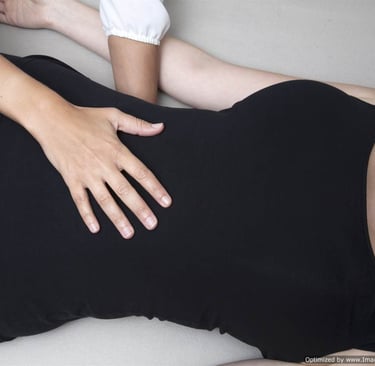
An Integrated process: Fascial Unwinding and the Craniosacral system
I practise an integrated style of Craniosacral Therapy that combines gentle listening skills with a practical understanding of anatomy and movement.
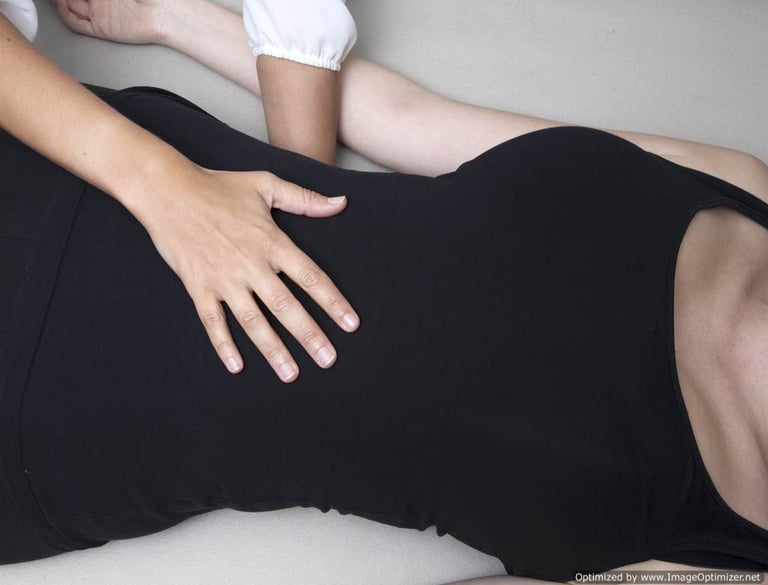
Alongside craniosacral work, I sometimes incorporate Fascial Unwinding. Fascia is the connective tissue that surrounds and links muscles, joints, organs and other structures throughout the body. When fascia becomes tight or restricted, it can contribute to discomfort, reduced mobility and ongoing patterns of tension.
During treatment, I may notice areas where the tissues seem restricted or are not moving as freely as they could. Sometimes, as the body relaxes, small spontaneous movements arise. These may be very subtle, or they may involve an arm, leg, neck or torso wanting to stretch, rotate or reposition itself.
Rather than directing these movements, I support them gently, allowing the body to move in a way that feels natural and comfortable. This process is known as Fascial Unwinding.
People experience this in different ways. Some notice an increased sense of ease, improved movement, reduced tension or simply a feeling of being more comfortable in their body afterwards.
As with Craniosacral Therapy itself, the process is gentle, individual and guided by what seems most appropriate for the person in front of me.
For Adults
We begin with a conversation about your health, your history and what has brought you to treatment. This helps me understand your situation as a whole and how best to support you.
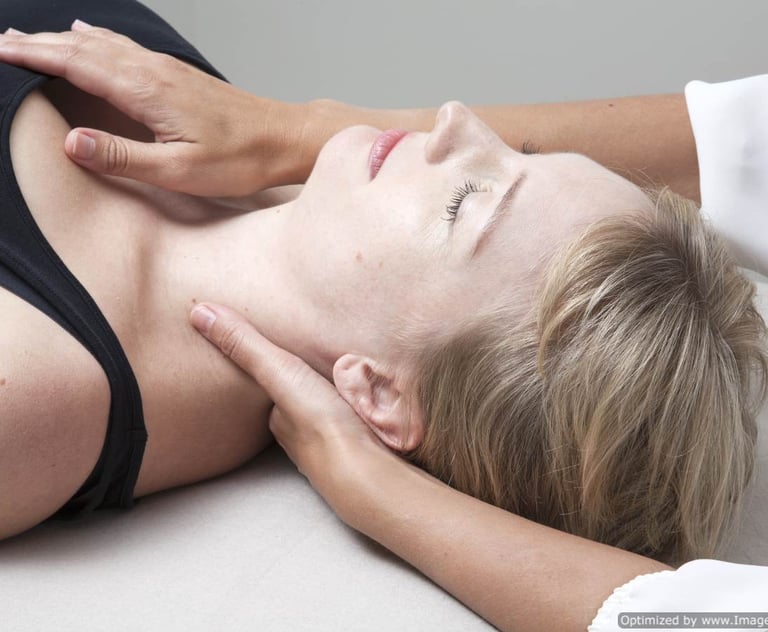
You'll then lie fully clothed on a treatment couch, with cushions and blankets available to help you feel comfortable.
During the session, I use gentle touch and careful observation to assess areas of tension, restriction or strain within the body. My hands may rest on different areas such as the feet, head, spine, shoulders or abdomen, depending on what seems most relevant for you.
I don't follow a set routine or protocol. Each session is guided by what I observe and by your individual needs.
Many sessions are quieter and slower than people expect. There may be periods of stillness, and there is no expectation for you to do anything other than rest and notice your experience.
People respond in different ways. Some notice warmth, relaxation, easier breathing or a reduction in physical tension. Others simply experience a sense of rest and calm. There is no right or wrong response
For Babies and Little ones
I begin by learning about your pregnancy, birth experience, feeding journey, and anything that may feel important to share. This helps me understand your baby's experience so far and any challenges they may have encountered. Sessions are baby-led. Your child may lie on the table, be held in your arms, or move freely. Feeding, sleeping and crying are all welcome. I offer a non-clinical, compassionate space where you and your baby are fully accepted as you are. Parents are invited to be part of the process, and everything is done with warmth, flexibility and respect for you child’s pace. With soft, intuitive touch, I support the release of held patterns from birth or early life stress, allowing your baby to feel more at ease in their body.
After a session
Responses vary widely. You may feel deeply rested, emotional, spacious or simply quieter than usual. Some people notice changes unfolding over the following days, in sleep, digestion, mood or pain levels. Others find that the effects of sessions accumulates gradually over time, shifts becoming clearer in retrospect.
There is no single right response, and I'd encourage you to approach the work with curiosity rather than expectation. integration often happens long after you've left the treatment room.


Words my clients have used to describe Craniosacral Sessions with me:
Profound
Relaxing
Powerful
Gentle
Healing
Safe
Intuitive
Deep
What is Craniosacral Therapy? Video courtesy of The Craniosacral Therapy Association www.craniosacral.co.uk

Located just 5 minutes drive from Somerton town centre, South Somerset.
Address
Time Out Health and Wellness Centre, Bancombe Business Park, Unit 2, Canvin Court, Somerton, TA11 6SB
Hours
Somerton: Mondays and Thursdays 11am - 5:30pm
Somerton Location
Located in Yeovil, South Somerset.
Address
Nine Springs Natural Health Clinic, 70 Hendford, Yeovil, Somerset, BA20 1UR
Hours
Yeovil: Wednesdays 1:30-5:30 and Fridays 2pm- 6pm
Yeovil Location
Craniosacral therapy with Michelle Denise RCST in Somerton & Yeovil, South Somerset, serving surrounding areas of Langport, Curry Rivel, Martock, Compton Dundon, Street, Glastonbury, Keinton Mandeville, Yeovil, Bridgwater.
hello@michelledenise.co.uk
Mobile: 07711 939093
© 2025. All rights reserved.